
About
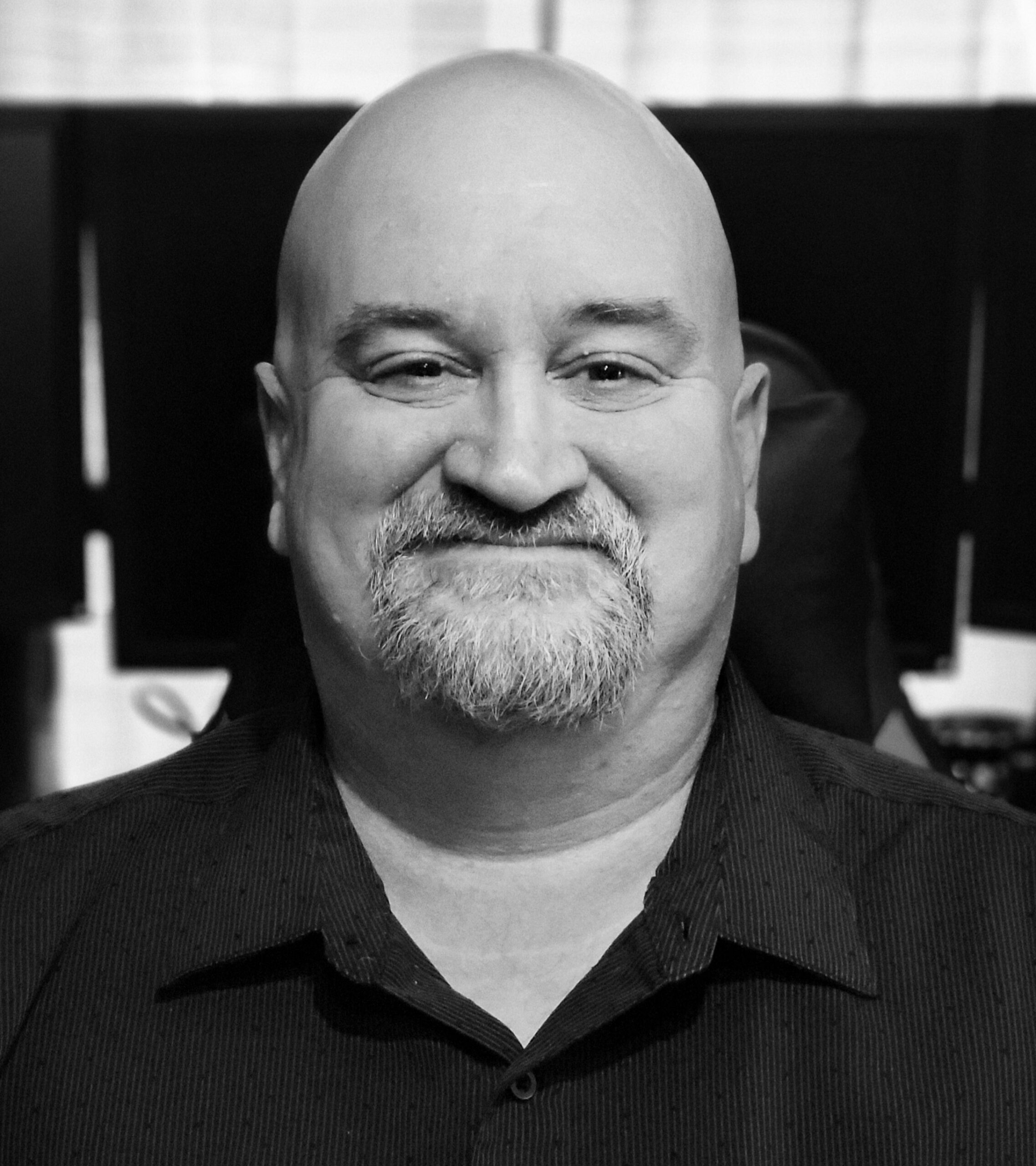
Jason Williams
Author, songwriter, and storyteller focused on character, emotion, and the stories that stay with us.
A Life Built Around Storytelling
Storytelling has always been the thread running through everything I create. Whether I am working on a novel, writing a song, or putting together something meant to help another writer, I keep coming back to the same things: character, emotion, conflict, and the moments that stay with someone after the story is over.
My work moves between fiction and nonfiction, but both come from the same interest in how stories are built and why they matter. In fiction, I am drawn to crime, suspense, psychological tension, memory, loss, faith, and the choices people make when they are under pressure. In nonfiction, I focus more on the craft itself and on breaking storytelling down into the individual elements that give a story structure, depth, and emotional weight.That approach led to Ink and the Forge: Building Stories Element by Element, a practical guide to story development that received an International Impact Award. My current novel, All That Remains, brings that same attention to character and structure into a psychological crime thriller set in New Orleans.
Songwriting is another important part of my creative life. The form is different, but the foundation is not. A song still needs a point of view, emotional movement, tension, imagery, and a reason for the listener to care.I have never been especially interested in fitting into one creative category. For me, it is about finding the right form for the story and doing the work necessary to make it worth telling.
Writing the Story
When I write, I am usually interested in what happens beneath the surface as much as what happens on the page. Plot matters, but I keep coming back to the people inside it: what they want, what they fear, what they are hiding from themselves, and how pressure changes the choices they make.
That is part of what drew me to crime and psychological suspense. Those stories give me room to explore consequence, memory, grief, loyalty, guilt, and the way one decision can alter everything that follows. I like stories that move, but I also want the characters to carry real emotional weight.My nonfiction work comes from the same place. Ink and the Forge: Building Stories Element by Element grew out of my interest in understanding why stories work and how individual pieces such as character, structure, conflict, pacing, setting, and theme support one another. I wanted to approach storytelling in a way that was practical and useful rather than mysterious.
My current novel, All That Remains, is a psychological crime thriller set in New Orleans. At its center is Detective Leah Bennett, a homicide detective returning to work after a shooting left her wounded and her partner dead. The investigation may drive the story forward, but the deeper story is about what people carry with them, what they choose to bury, and what eventually refuses to stay hidden.
No matter what I am writing, I want the story to feel earned. I want the characters to matter, the tension to build for a reason, and the ending to leave something behind after the last page.
Stories Beyond the Page
Songwriting has always been another way for me to tell stories.
A song works differently from a novel, but the core of it is still the same. There is a voice, a point of view, an emotional arc, and a reason for the listener to stay with it. In a few minutes, a song has to create a world, establish a feeling, and leave something behind.
That challenge is part of what I love about it.
Some ideas belong on the page. Others arrive with rhythm, melody, or a line that feels like it needs to be sung instead of spoken. I have learned not to force one form into another. The story usually tells me what it wants to become. Songwriting has also shaped the way I approach fiction.
It has made me more aware of cadence, restraint, imagery, repetition, and the emotional weight of a single line. In return, writing fiction has made me think more deeply about character, perspective, and what a story needs before it can connect with someone.
For me, they are not separate creative lives. They are different ways of doing the same thing: telling stories that mean something.
Building a Place for Writers and Readers
One of the things I have learned through writing is that creative work gets better when people have a place to talk about it honestly.
Writers need somewhere they can ask questions, test ideas, share pages, and get useful feedback without feeling like every conversation has to become a sales pitch. Readers need places where they can talk about books, recommend what they love, and discover new voices. Beta readers, reviewers, and editors are part of that same process, and I wanted a space where all of those roles could actually connect.
That is why I created The Draft Society. The goal is simple: build a community around participation, thoughtful feedback, and a genuine interest in stories. There are spaces for writing help, critique, beta reading, reviewer exchange, book discussion, writing sprints, publishing conversations, and more.
I wanted it to feel useful, welcoming, and structured enough that people can find the kind of interaction they are looking for without getting lost in noise.
For me, The Draft Society is an extension of the same idea behind everything else I do: stories become stronger when people care enough to read closely, ask good questions, and help each other improve.
Write. Refine. Belong.